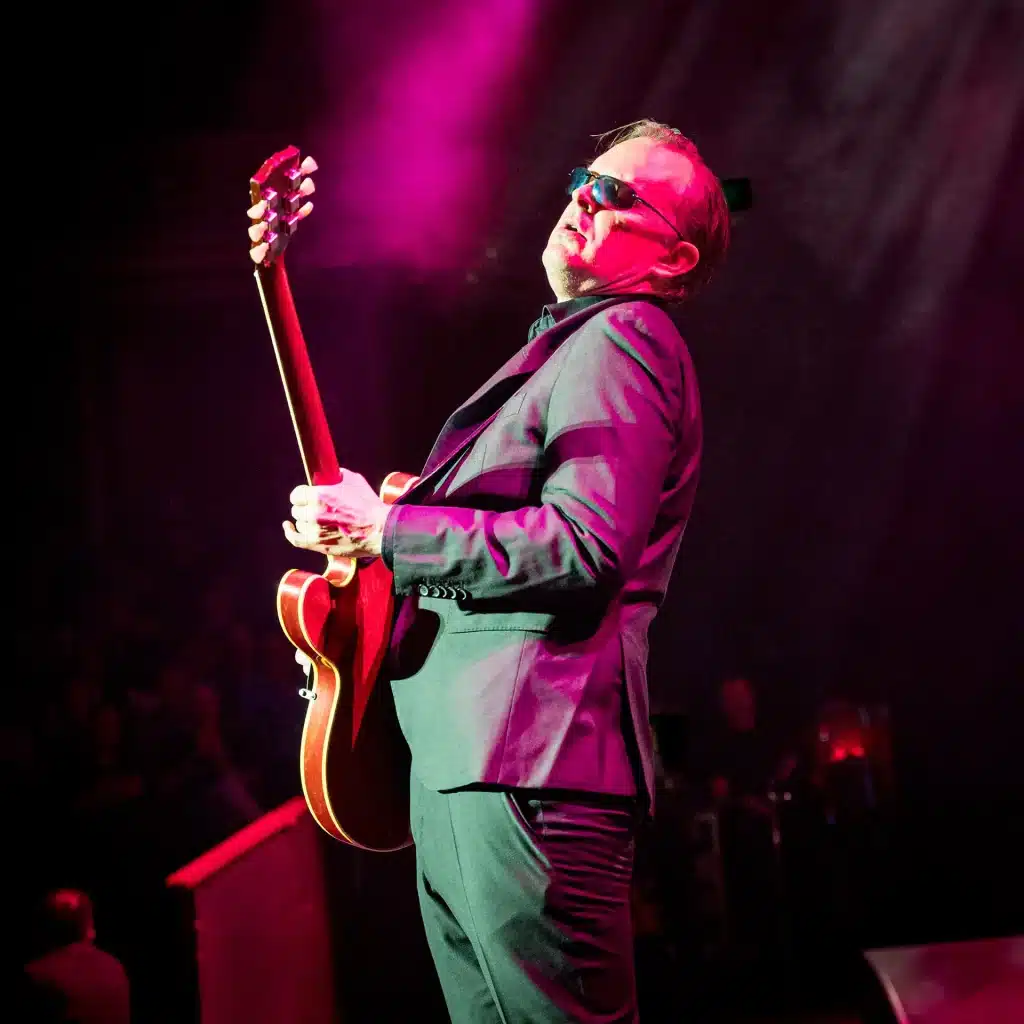
There are some artists who simply belong at certain venues. Joe Bonamassa and Royal Albert Hall now feel inseparable.
WORDS: Paul Long IMAGES: Laurence Harvey
Wednesday 6th May marked Bonamassa’s fourteenth appearance at the historic London venue, a remarkable achievement for any artist, let alone one operating largely outside the mainstream music machine. For many fans, these annual Albert Hall shows have become more than concerts. They are milestones.
At the end of Bonamassa’s very first Royal Albert Hall appearance back in 2009, my son Matt stood up and declared, “That is what I’m going to do for a living.” He did exactly that.
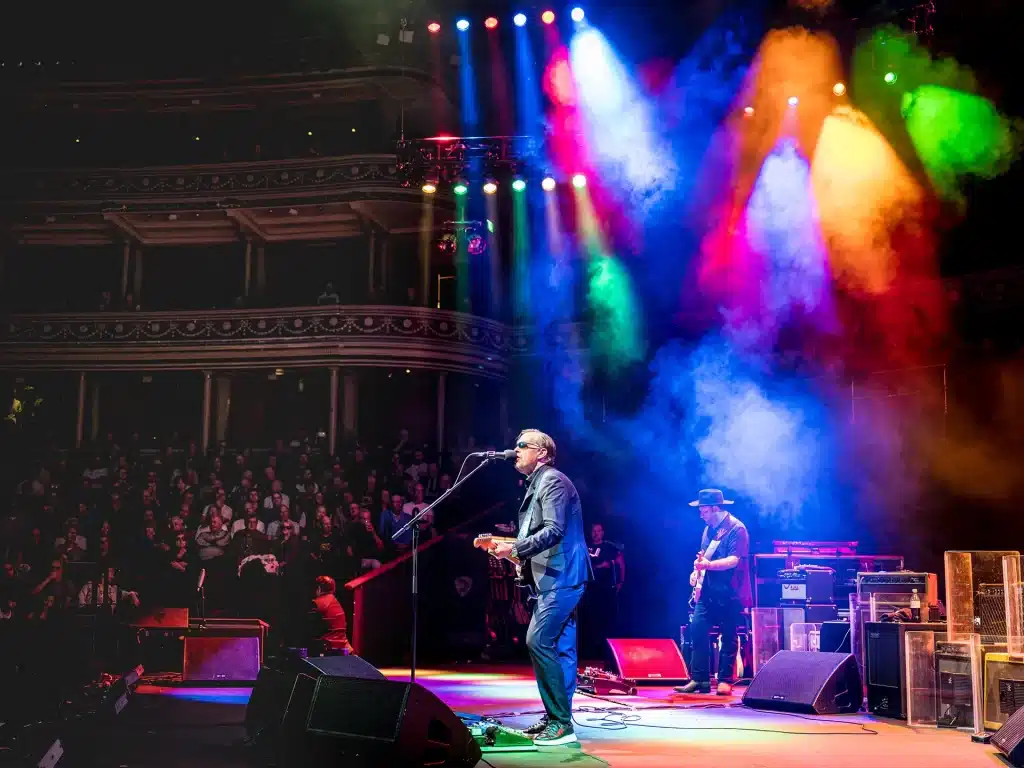
The evening exploded into life with Hope You Realise It from Blues Deluxe Vol. 2, immediately confirming that the band had arrived in peak form. One of the night’s biggest talking points was keyboard player Lachy Doley, making a huge impression in his role following the retirement of legendary keys player Reese Wynans. Doley attacked the Hammond organ with incredible energy and feel, bringing a fiery new dimension to the band.
A towering performance of Dust Bowl followed before Bonamassa dipped briefly into material from his current studio album Breakthrough with Drive By The Exit Sign. The set also leaned into Bonamassa’s deep love of blues and classic rock history through carefully selected covers, including Double Trouble, Well Well and a thunderous take on Crossroads, performed as a nod to Cream and their legendary association with the Hall.

The extended versions of Mountain Time and Sloe Gin were monumental. The latter carried added emotional weight, performed on the late Bernie Marsden’s famed Les Paul, “The Beast,” loaned to Bonamassa for the evening.
One of the strengths of Bonamassa’s live approach is his refusal to deliver carbon-copy performances. Fans attending the second Royal Albert Hall show the following night would have witnessed a notably different setlist, something that keeps both the band and audience engaged.
Bonamassa himself remains relatively understated between songs, although he did take a moment to mention that his parents had travelled from the United States to attend the show. Moments like that cut through the scale of the production and remind you how much this still means to him.
Approaching his forty-ninth birthday, Bonamassa appears to be operating at the absolute peak of his powers. His playing remains technically flawless, but more importantly it still carries passion, intensity and purpose. This may well be the strongest band he has assembled yet, driven by the formidable rhythm section of Calvin Turner on bass and Lemar Carter on drums. Long-time collaborator Josh Smith adds another layer of guitar firepower, while backing vocalists Jade MacRae and Danielle DeAndrea complete the sound superbly.
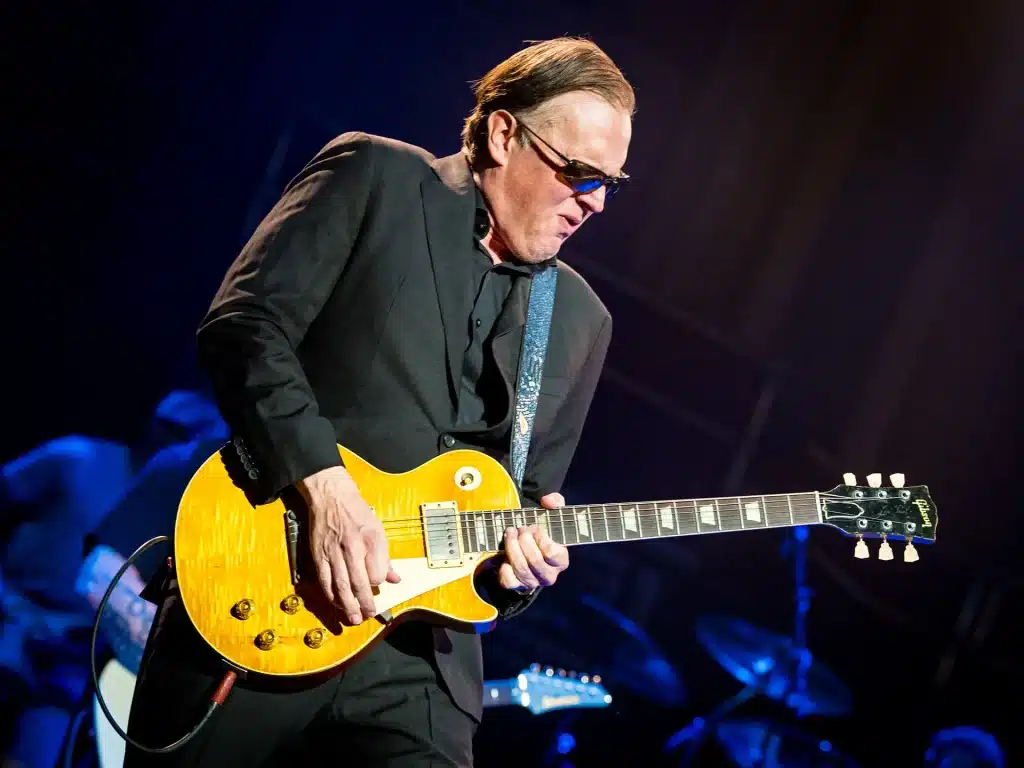
After the show, I had the opportunity to spend some time speaking with Bonamassa personally, thanking him for the inspiration he unknowingly gave Matt all those years ago and for his involvement in the tribute album project. Joe’s participation helped kick-start the entire thing and allowed it to flourish.
There are very few artists left in the blues world capable of reaching this level of success consistently. That visibility inevitably attracts criticism in some quarters, but Bonamassa has earned his place through sheer hard work, relentless touring, exceptional musicianship and genuine support for other artists. As an independent musician navigating the realities of the modern music industry, his achievements are difficult to argue with.
At the Royal Albert Hall once again, Joe Bonamassa did not just perform. He reminded everyone why he remains one of the defining figures in modern blues rock.